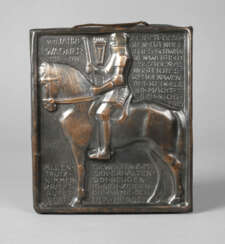
movie 1990s




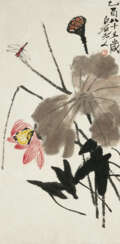

,_by_Zheng_Jingkang.jpg)
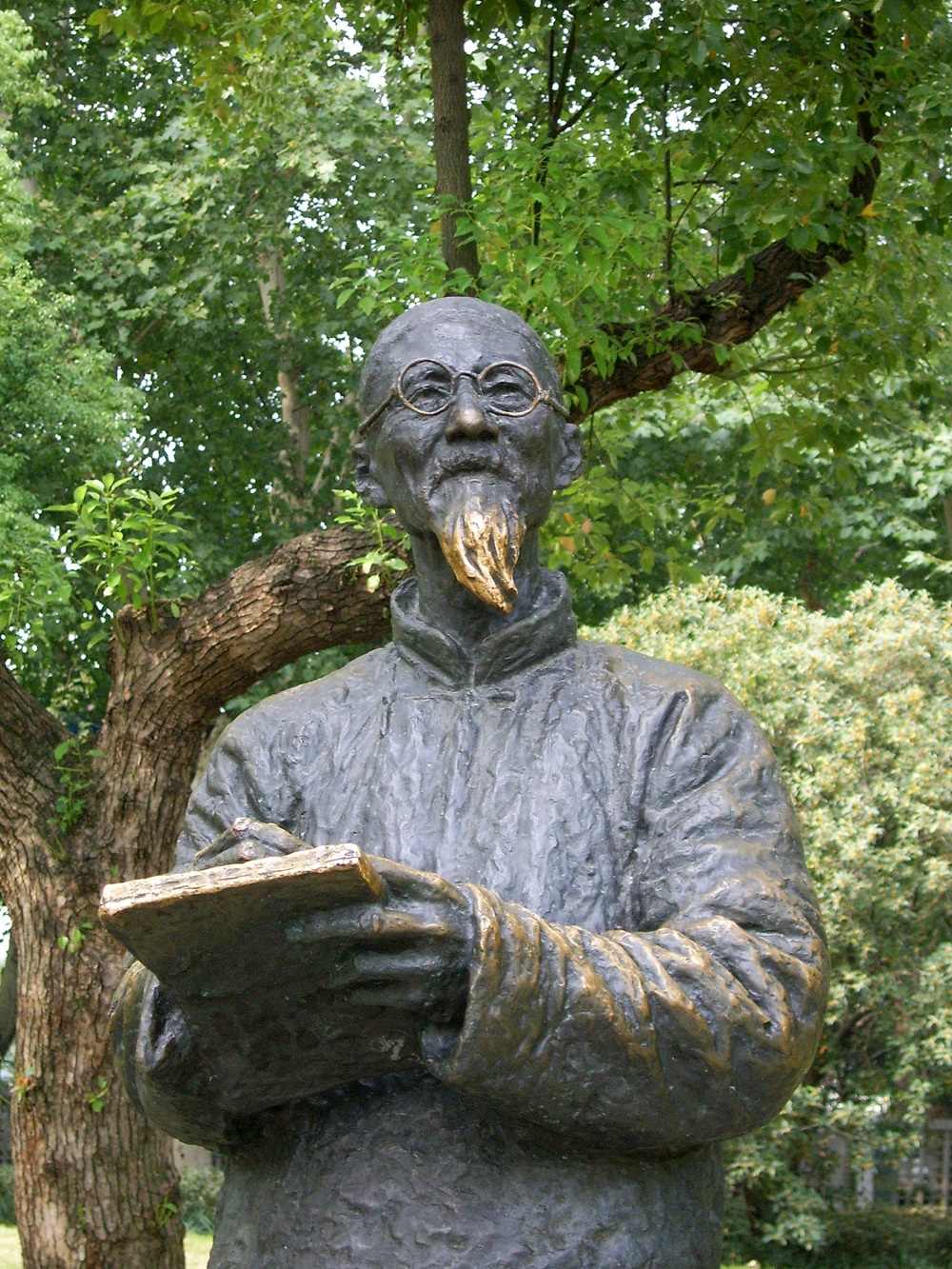
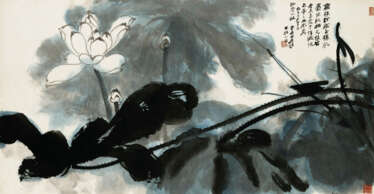
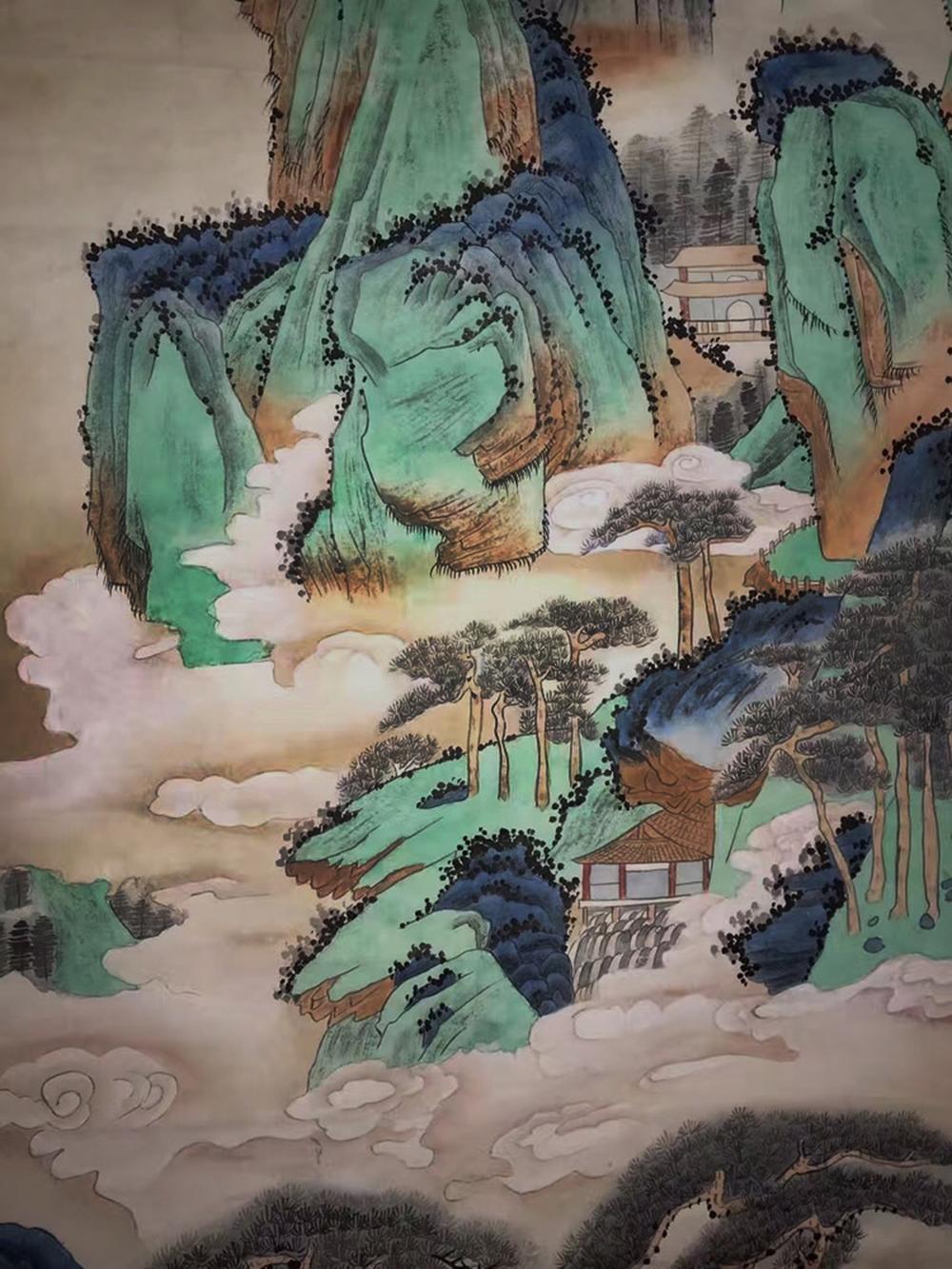
Qi Baishi was a Chinese painter, noted for the whimsical, often playful style of his works. Born to a peasant family from Xiangtan, Hunan, Qi taught himself to paint, sparked by the Manual of the Mustard Seed Garden. After he turned 40, he traveled, visiting various scenic spots in China. After 1917 he settled in Beijing. Some of Qi's major influences include the early Qing dynasty painter Bada Shanren (八大山人) and the Ming dynasty artist Xu Wei (徐渭).
The subjects of his paintings include almost everything, commonly animals, scenery, figures, toys, vegetables, and so on. He theorized that "paintings must be something between likeness and unlikeness, much like today's vulgarians, but not like to cheat popular people". In his later years, many of his works depict mice, shrimp or birds. He was also good at seal carving and called himself "the rich man of three hundred stone seals" (三百石印富翁). In 1953, he was elected president of the China Artists Association (中國美術家協會).
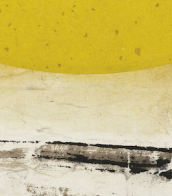
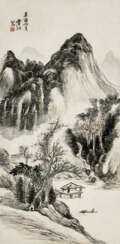




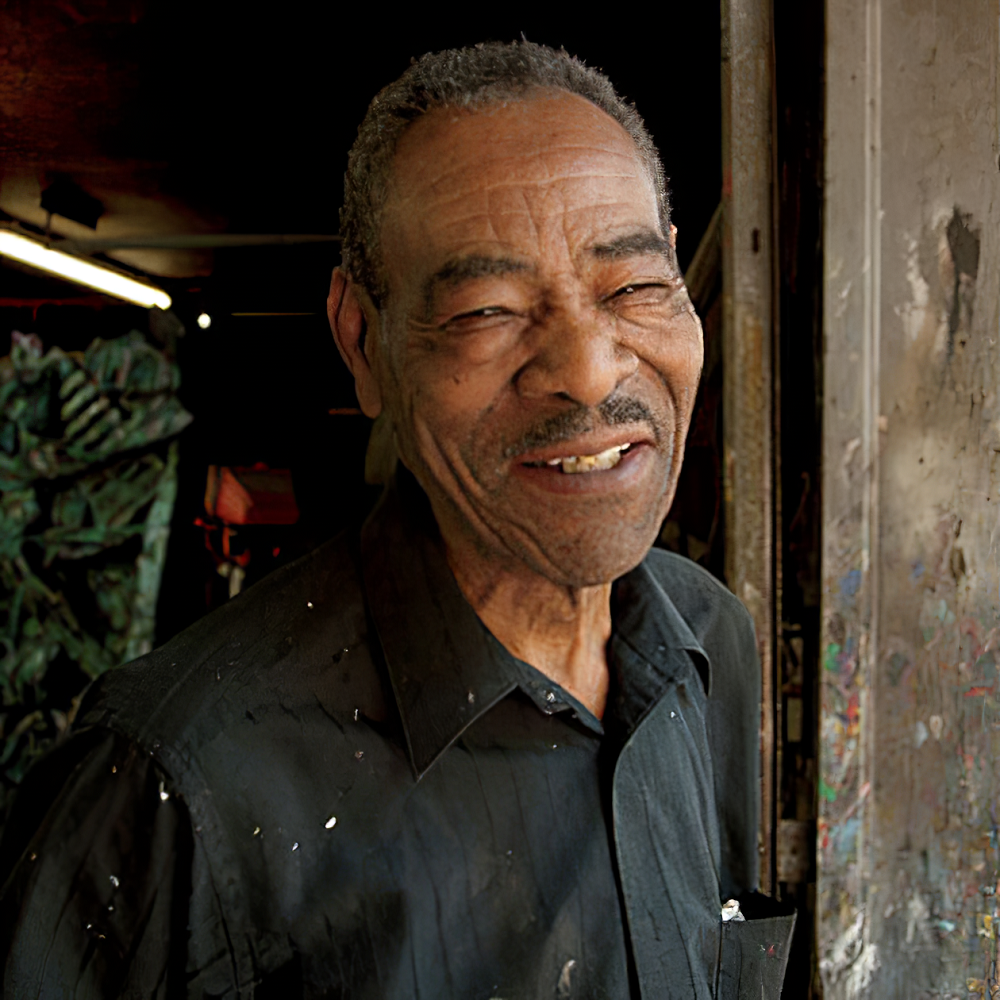
Thornton Dial was a pioneering American artist who came to prominence in the late 1980s. Dial's body of work exhibits formal variety through expressive, densely composed assemblages of found materials, often executed on a monumental scale. His range of subjects embraces a broad sweep of history, from human rights to natural disasters and current events. Dial's works are widely held in American museums; ten of Dial's works were acquired by the Metropolitan Museum of Art in 2014.
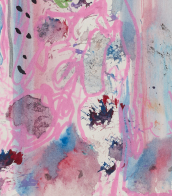


Thornton Dial was a pioneering American artist who came to prominence in the late 1980s. Dial's body of work exhibits formal variety through expressive, densely composed assemblages of found materials, often executed on a monumental scale. His range of subjects embraces a broad sweep of history, from human rights to natural disasters and current events. Dial's works are widely held in American museums; ten of Dial's works were acquired by the Metropolitan Museum of Art in 2014.
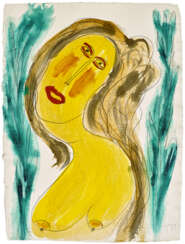

Thornton Dial was a pioneering American artist who came to prominence in the late 1980s. Dial's body of work exhibits formal variety through expressive, densely composed assemblages of found materials, often executed on a monumental scale. His range of subjects embraces a broad sweep of history, from human rights to natural disasters and current events. Dial's works are widely held in American museums; ten of Dial's works were acquired by the Metropolitan Museum of Art in 2014.
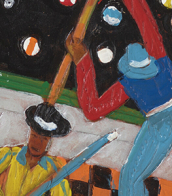
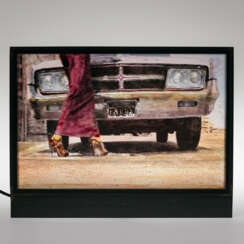



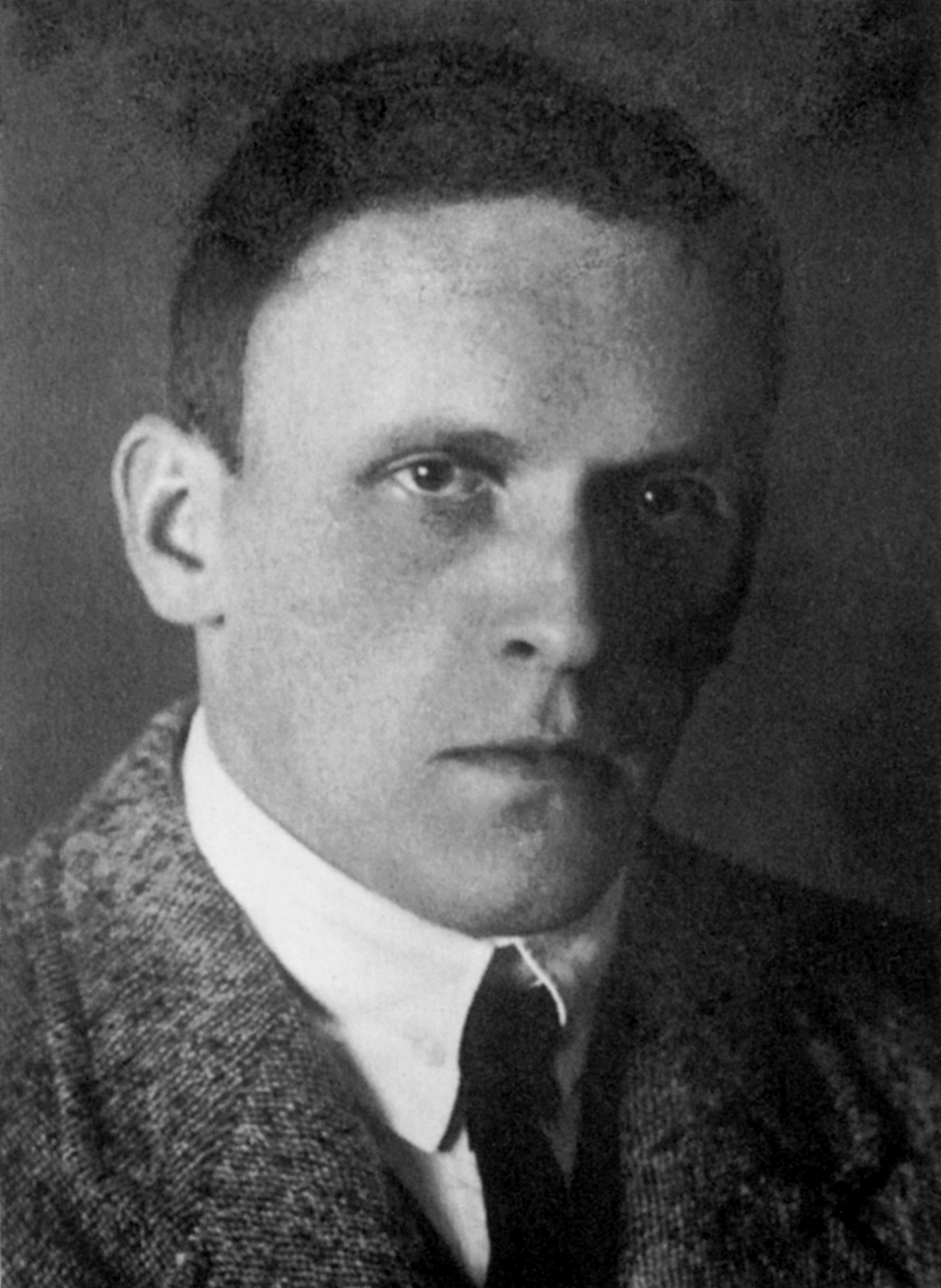
Walter Dexel was a German painter, commercial graphic designer, and transportation planner. He also functioned as an art historian and directed a museum in Braunschweig during the Second World War.
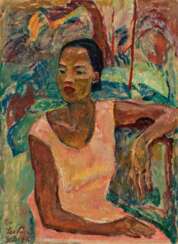




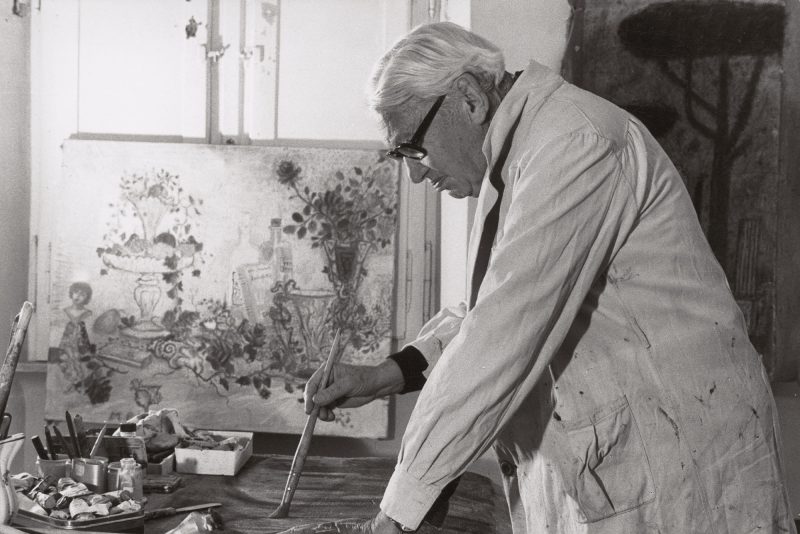
Max Peiffer Watenphul was a German artist. Described as a "lyric poet of painting", he belongs to a "tradition of German painters for whom the Italian landscape represented Arcadia." In addition to Mediterranean scenes, he regularly depicted Salzburg and painted many still lifes of flowers. As well as oil paintings, his extensive body of work encompasses watercolours, drawings, enamel, textiles, graphic art, and photographs.